
Services
AS9100 Consultation
Prime Alloys engineers bring decades of hands-on experience implementing, maintaining, and auditing AS9100 quality management systems specifically within the electronics manufacturing (EMS) environment.
We help organizations establish practical, audit-ready systems covering high-impact AS9100 requirements, including Corrective & Preventive Action (CAPA), control of nonconforming product, internal auditing, risk management, configuration control, and objective evidence management.
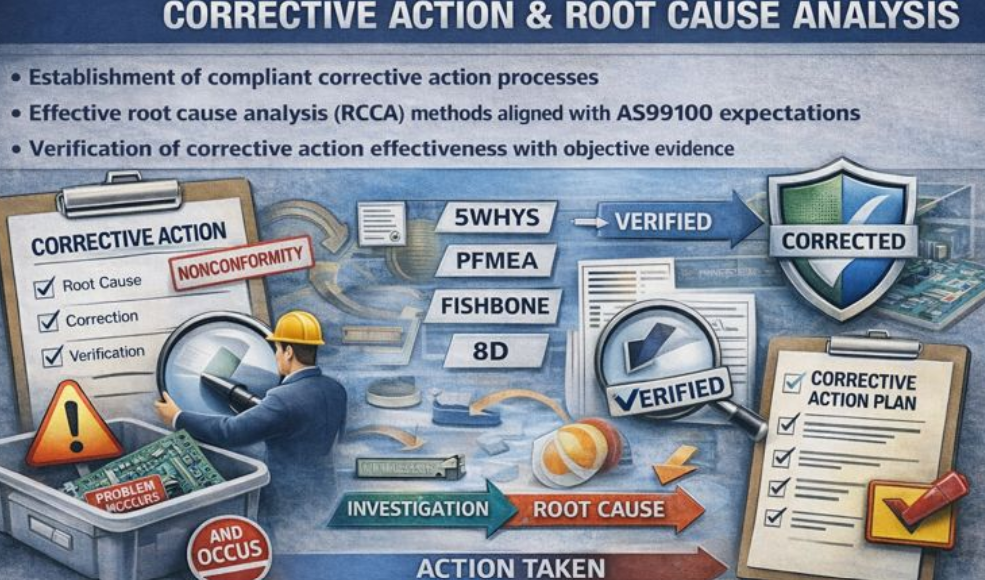
Corrective Action & Root Cause Analysis
- Establishment of compliant corrective action processes
- Effective root cause analysis (RCCA) methods aligned with AS9100 expectations
- Verification of corrective action effectiveness with objective evidence
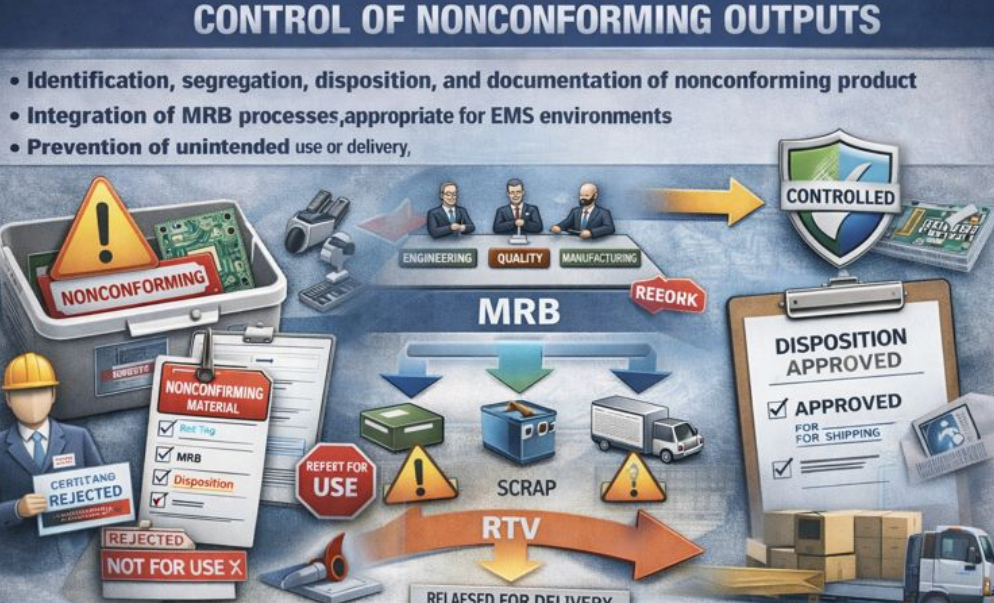
Control of Nonconforming Outputs
- Identification, segregation, disposition, and documentation of nonconforming product
- Integration of MRB processes appropriate for EMS environments
- Prevention of unintended use or delivery
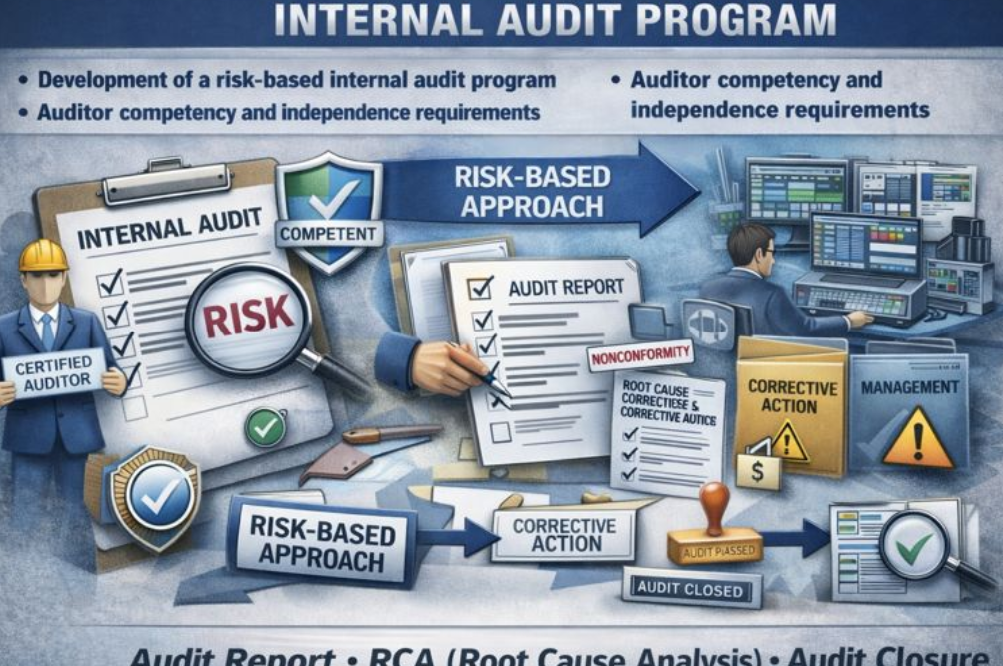
Internal Audit Program
- Development of a risk-based internal audit program
- Auditor competency and independence requirements
- Audit reporting, corrective action linkage, and management follow-up
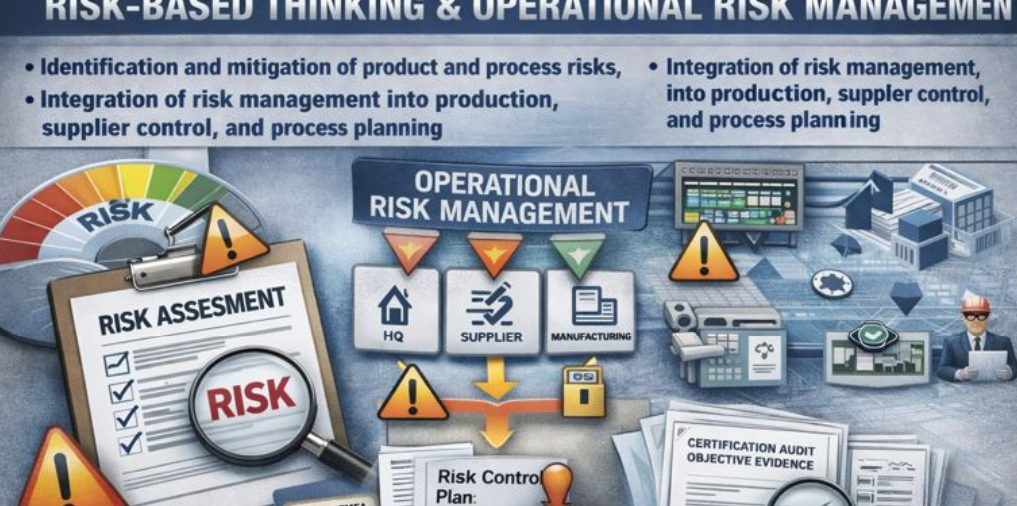
Risk-Based Thinking & Operational Risk Management
- Identification and mitigation of product and process risks
- Integration of risk management into production, supplier control, and process planning
- Documentation and evidence suitable for certification audits
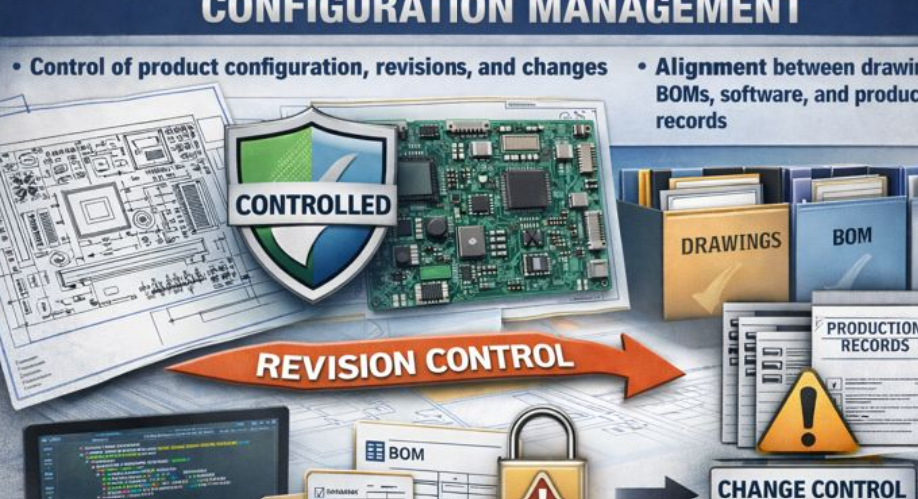
Configuration Management
- Control of product configuration, revisions, and changes
- Alignment between drawings, BOMs, software, and production records
- Prevention of unauthorized or uncontrolled changes
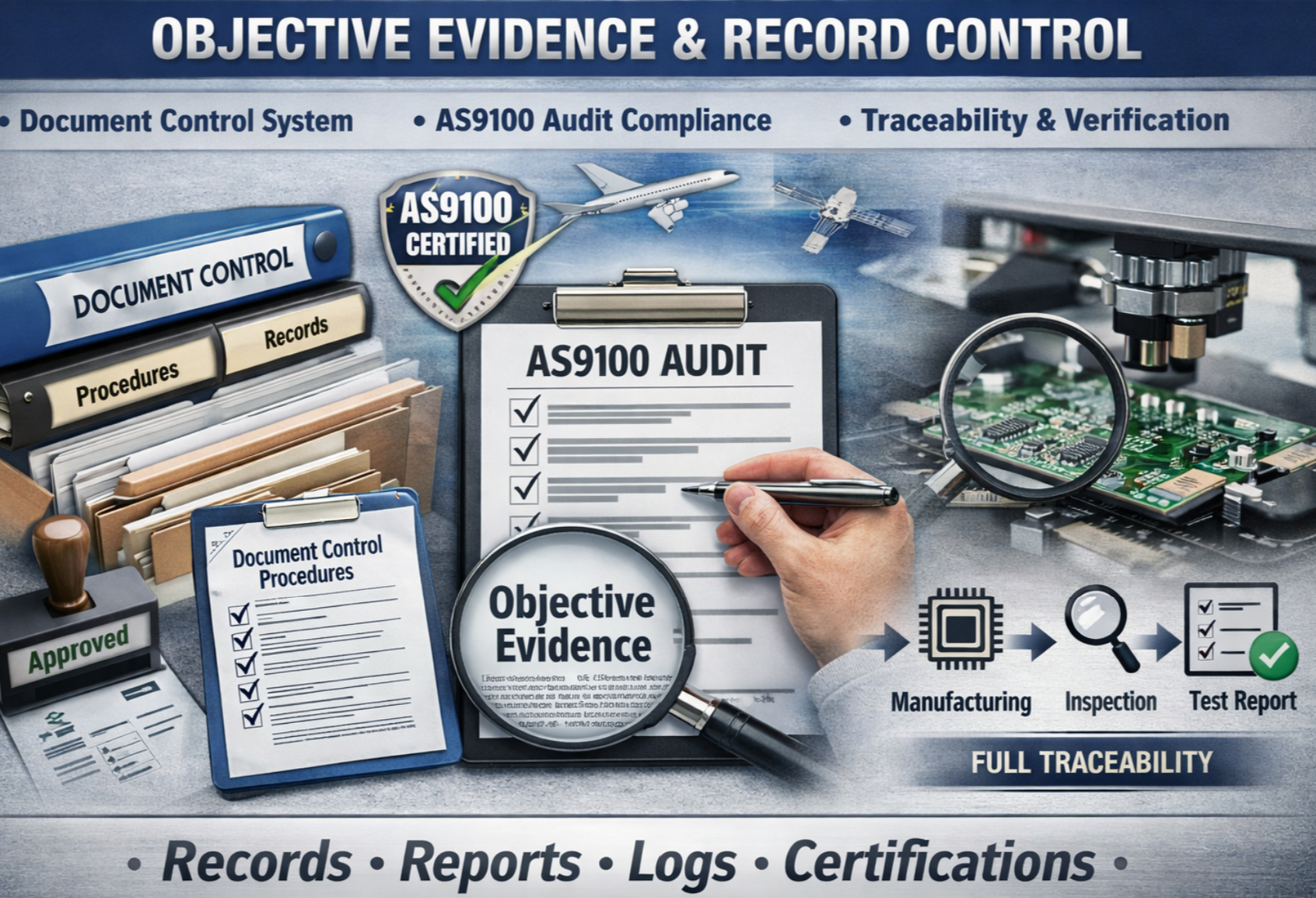
Objective Evidence & Record Control
- Establishment of document and record control systems
- Definition and retention of objective evidence required for AS9100 audits
- Traceability of manufacturing, inspection, and verification activities
SPC & DOE for SMT Screen Printing
Controlling Solder Paste Deposition
Beyond classroom instruction, our engagement is execution-focused. We actively participate alongside your engineering team to design and run statistically sound DOEs, analyze real SPI data, and establish SPC systems tailored to your screen-printing process.
This includes selecting critical factors, conducting experiments on your production line, interpreting results, and implementing control charts and Cpk monitoring to sustain gains.
The outcome is a repeatable, data-driven process that remains in place long after the training is complete.